

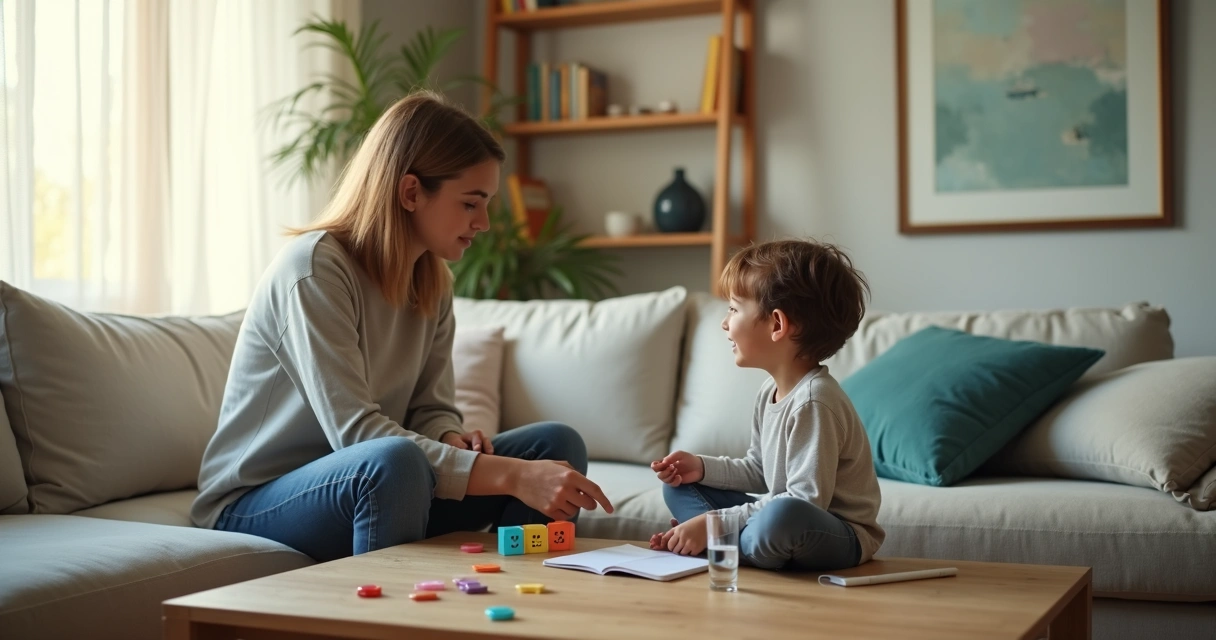
Raising emotionally responsible children is far from a checklist task. Every day brings moments to notice feelings, name them, and respond thoughtfully. We have all seen what can happen when emotions shape choices, and none of us want our children to be at the mercy of anger, fear, or shame. So, how can we guide children toward maturity, self-management, and kindness to others? We believe the journey begins at home, through presence, gentle guidance, and honest conversation.
Understanding emotional responsibility
Emotional responsibility is the ability to recognize, own, and manage our feelings, instead of blaming others or denying what we feel. When children develop this, they learn to respond to difficult situations with awareness, rather than impulsively react.
Being present with emotion is the first step to understanding it.
We see changes at every age. Young children who learn to pause and understand their feelings are less likely to lash out. Older kids who reflect before acting make better choices, form healthier relationships, and grow into adults who don’t shy away from emotion.
Why parents are emotional role models
Our actions are stronger than our words. Children watch us during disagreements, when we make mistakes, or when we’re excited or sad. The way we converse about our experiences teaches them how emotions work and how they can manage their own.
- Model honesty—share your feelings, both comfortable and uncomfortable, using words appropriate for your child's age.
- Show self-correction—if you lose your temper, acknowledge it and explain how you plan to handle it differently.
- Protect time for emotion—pause to check in about how everyone feels, especially after a long day or a big event.
As parents, showing vulnerability and growth helps children see emotions as normal, not a weakness.
Building a vocabulary for feelings
We suggest making time for talking about feelings, beyond happy or sad. Children benefit when they can put words to butterflies in their stomach or the rush of anger when a sibling grabs their toy.
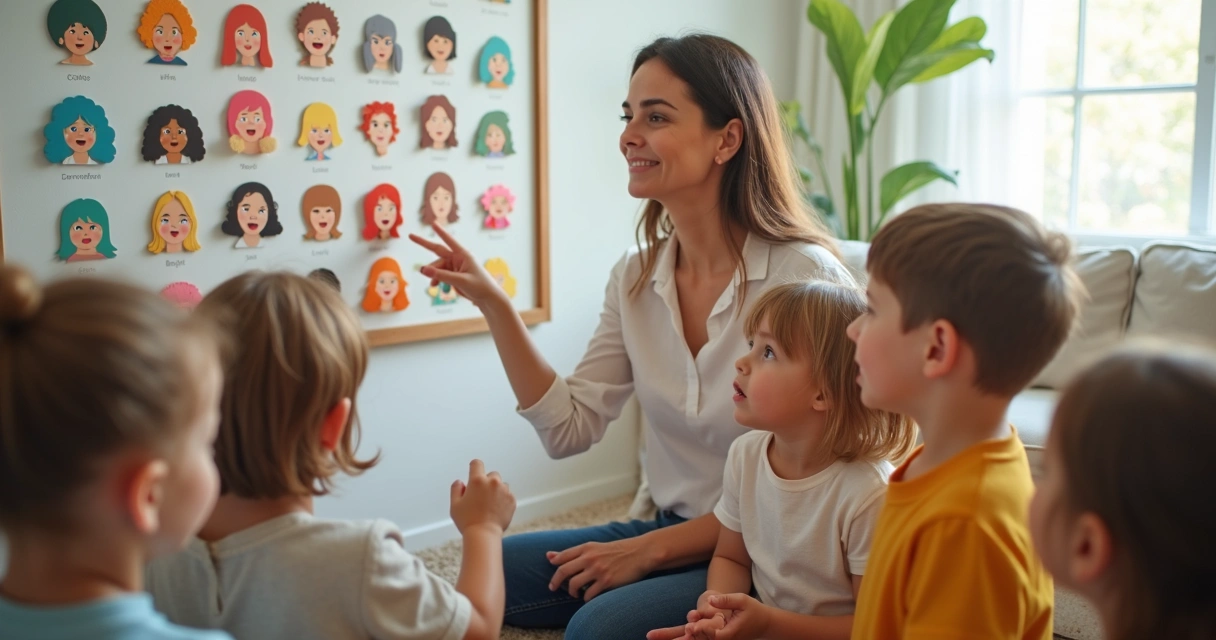
- Use feeling charts or books with stories that describe emotions.
- Name your own feelings out loud: "I feel frustrated that we’re running late, but I’ll take a deep breath."
- Ask open questions: "How did that make you feel?" or "What do you notice in your body right now?"
- Encourage noticing subtler feelings: excited, worried, proud, disappointed, curious.
When parents help kids connect words to feelings, it lowers stress and builds confidence.
Teaching children to pause and reflect
One of the most helpful tools we have found is the simple act of pausing. Teaching children to stop before acting on an impulse can save many situations from turning sour.
A pause is powerful. It creates space for choice.
We practice this together, using our own moments as examples. If a toy breaks, we might say, "Let’s take a breath. I feel upset too. What can we do next?" Over time, children internalize the value of the pause. They learn it is okay to wait, feel, and then act—rather than react.
Encouraging responsibility, not blame
There is a common trap in holding others responsible for our reactions. When children say, "He made me mad," we gently reframe, "You felt mad when he took your toy. What can you do with your mad feeling?"
We teach them their emotions are theirs to understand and choose how to act upon. Some simple guiding phrases we use:
- "It’s okay to feel angry, but it’s not okay to hurt."
- "What helps you feel calm again?"
- "Would you like help to find a solution?"
- "You cannot control others, but you can choose how you act."
Responsibility means accepting our feelings without blaming others for how we act on them.
Fostering empathy and perspective
Empathy grows when children realize others also have feelings. We set the ground by asking questions that help them see situations through another’s eyes.
- "How do you think your friend felt when you took the toy?"
- "What could help them feel better?"
- "Have you ever felt left out? What did you wish for then?"
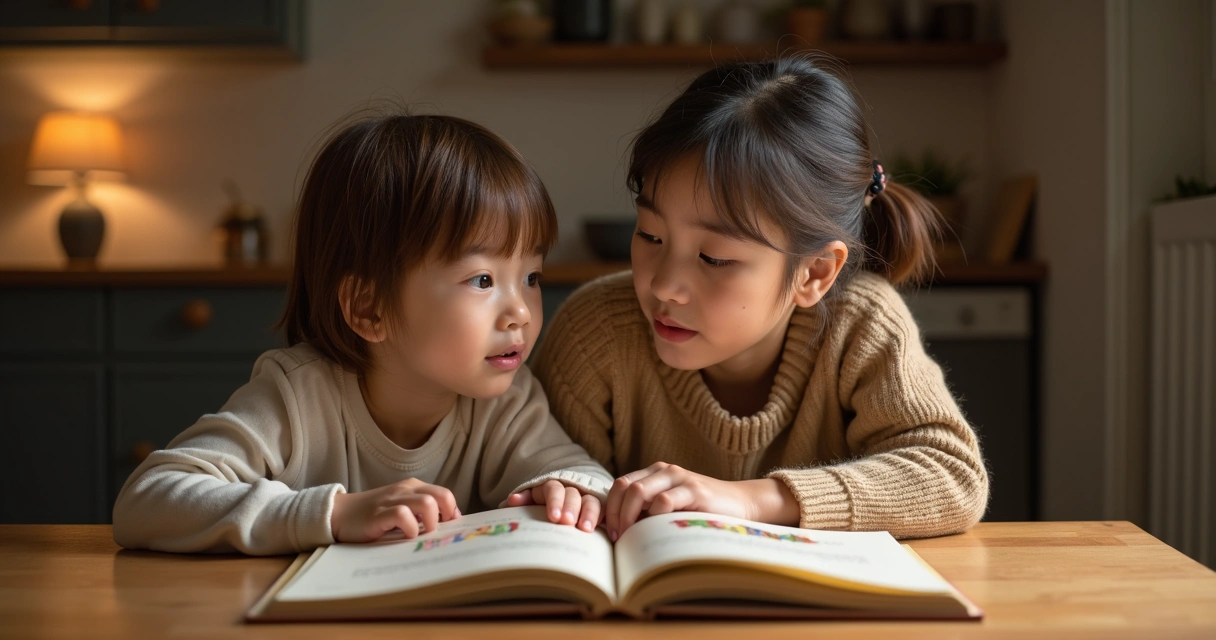
We find that simple stories, real or imagined, often spark the deepest understanding. Children who are met with empathy themselves are more likely to offer it to others.
Practical ways to encourage emotional responsibility every day
In our experience, small habits—done often—make lasting change. Here are some ways to build emotional responsibility step by step:
- Start and end the day with a feelings check-in. Everyone shares how they are, with no pressure to "fix" it.
- Give choices whenever possible. This helps children feel empowered and allows them to experience consequences naturally and learn self-regulation.
- Use peaceful discipline. When issues arise, focus on helping children repair and learn, not on shame or punishment.
- Practice deep breathing or mindfulness together, especially after strong emotions.
- Celebrate when children take responsibility for their feelings and actions, even when it’s difficult.
Building these habits takes time and patience, but every moment counts.
Caring for our own emotional maturity
Perhaps the most overlooked way to teach emotional responsibility is self-care. We have learned that when parents struggle to manage their own feelings, children sense it. By taking care of our own emotions—seeking connection, rest, support, and honest moments for ourselves—we create a safer environment for kids to do the same.
Children flourish in homes where emotions are welcomed, not punished.
We are not perfect—no one is. But showing our willingness to grow invites our children to do the same.
Conclusion: The real gift of emotional responsibility
Teaching emotional responsibility is more than helping children behave well; it is about guiding them to understand themselves and others. The real gift we give is not having children who never get angry or sad, but children who know what to do with those feelings. They gain resilience, empathy, and the kind of maturity that helps all of us live better lives together.
Emotional responsibility shapes better people, families, and communities.
Frequently asked questions
What is emotional responsibility for kids?
Emotional responsibility for kids means recognizing and owning their feelings, instead of blaming others for how they feel or act. It involves developing the awareness to notice feelings, name them, and choose helpful ways to respond.
How can I teach my child emotions?
We suggest starting by naming feelings out loud, using stories or games about emotions, and encouraging your child to share what they feel in everyday moments. Giving honest feedback about your own feelings, and listening closely, helps children feel safe to open up.
Why is emotional responsibility important?
Emotional responsibility helps children manage their reactions, form better relationships, and handle life’s challenges in healthier ways. Over time, this skill supports their self-esteem and creates more empathy toward others.
What are the best tools for teaching emotions?
Books with stories about feelings, emotion charts, open-ended questions, mindful breathing exercises, and structured routines that invite regular sharing are some of the best tools for teaching emotions. Using visuals and play makes learning easier for younger children.
How to help a child handle feelings?
To help a child handle feelings, invite pause, listen without judgment, help them name their feelings, and support them in finding calming strategies. Encouraging problem-solving and showing empathy are also key for guiding them through difficult emotions.