


Small moments shape our lives much more than we realize. Each day, dozens—sometimes hundreds—of tiny choices present themselves. We barely notice most, yet these microdecisions can decide our direction just as much as the larger, headline-making events.
Who we become is often built in moments no one else sees.
What are microdecisions and why do they matter?
A microdecision is a small, often automatic choice we make during our daily routine. These choices seem so minor that we rarely give them a second thought. For instance, do we snooze the alarm or get up? Do we greet our colleague or keep walking? Do we listen to our inner critic or encourage ourselves instead?
Each microdecision is a vote for the kind of person we are becoming, and the life we are building. Over time, they add up—sometimes silently and invisibly—to create habits, attitudes, and outcomes that define our path.
In our experience, recognizing the influence of these decisions brings a new sense of power and potential into daily life. Suddenly, every day holds dozens of opportunities to steer our life with intention.
How microdecisions shape personal outcomes
If we stop and observe closely, we’ll notice that outcomes—both positive and negative—rarely hinge on giant, dramatic choices. More often, results are the compound effect of microdecisions, repeated steadily over time.
- Choosing to speak kindly to ourselves when facing a setback
- Pausing before reacting with frustration to a loved one
- Opting to read a few pages instead of scrolling our phones
- Taking a breath before judging someone’s actions
- Adding a fruit to our breakfast rather than skipping it altogether
Each act seems minor. Together, they form the basis of our character and establish patterns that shape our lives beyond what we may expect.
It is the repetition of small, conscious acts that creates our bigger story.
The hidden force of routines and habits
Microdecisions are at the roots of routines. Every habit is simply a collection of microchoices made more or less automatically. When we choose intentionally—even in the tiniest ways—our habits begin to transform.
We have seen that when someone introduces awareness into these moments, the simple decision to brush teeth before bed, take a five-minute walk, or reflect on gratitude can lead to unexpected change. Over weeks and months, new habits take hold.
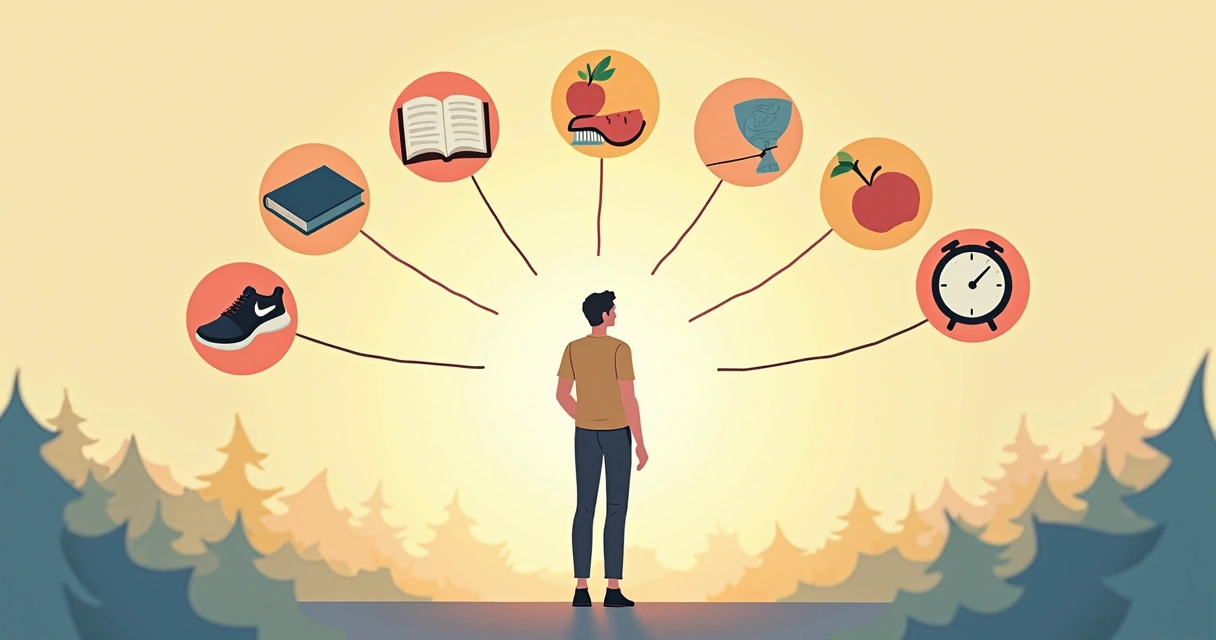
Microdecisions set the direction of our habits, and our habits set the direction of our lives. This is why paying attention to the seemingly unimportant can bring about so much change.
The science behind small choices
Recent studies show that automatic, repeated small choices can rewire pathways in the brain. This is often called neuroplasticity, and it means our brains adapt to what we do most. When we repeatedly make a specific microdecision—say, taking a mindful breath before speaking—our brain strengthens the neural pathway for that choice, making it easier next time.
Over time, our dominant patterns of thought and action become easier, requiring less effort and willpower. The science supports what many of us feel: changing one tiny choice at a time is often more effective than trying to change everything at once.
This process helps us shift our outcomes not through force, but through gentle repetition and steady awareness.
From awareness to action: how to harness microdecisions
Becoming more intentional begins with noticing. We rarely see our microchoices in the moment, but with practice, awareness grows. Here’s how we have found it helpful to focus on changing outcomes through microdecisions:
- Pause to notice: When a decision point appears—even a small one—practice pausing. Ask, “What am I about to choose?”
- Set a gentle intention: Decide how you would like to act or feel. Intention harnesses attention, making conscious choice more likely next time.
- Choose a small step: We’ve seen that the smallest possible adjustment—a sip of water, a single kind word, an extra minute for reflection—can break old patterns.
- Repeat, without judgment: Consistency builds momentum. Some days, we may return to old habits. The process is about steady return, not perfection.
By focusing on these moments, we find that larger changes follow naturally. There is a sense of moving life forward gently, one heartbeat at a time.

The ripple effects of small decisions
Every choice sends a subtle signal, not only within ourselves, but out into our relationships, work, and wider community. When we respond rather than react, or choose kindness over irritation, the effects rarely end with us.
People notice, even if unconsciously. The mood in a room changes, conversations become easier, teams collaborate better. In our work, we have observed that one person’s momentary act of conscious choice can improve the outcome of an entire meeting, or family dinner, or project launch.
One small choice can change the energy of an entire day.
Common barriers and how to work through them
It’s normal to struggle with changing automatic responses, especially when old habits feel comfortable. Stress, fatigue, and lack of clarity can make mindful microchoices harder. Our experience suggests a few ways to make the process easier:
- Forgive imperfection: Perfection will never happen, but progress will. Celebrate when you notice a microdecision, even if it’s after the fact.
- Reduce decision fatigue: Keep some decisions simple and automate where possible. For example, preparing healthy snacks in advance helps us make better choices without thinking too much.
- Build reminders and cues: Small notes, alarms, or shared intentions with friends can jog our awareness at key moments.
We have found that self-compassion makes this journey sustainable. What matters is not missing a decision, but returning to conscious choice with patience and curiosity.
Conclusion: Microdecisions as daily power
Microdecisions are not about being perfect or changing everything at once. Instead, they show us that we can guide our lives gently, step by step, and create genuine transformation through daily intention.
Each person has the ability to steer their own life, whatever the circumstances, by choosing how to respond to the small moments. Over time, these choices add up to something far greater than we might imagine. We become the authors of our own story—one microdecision at a time.
Frequently asked questions
What are microdecisions?
Microdecisions are the small, everyday choices we make, often automatically, throughout our routine. They may seem unimportant on their own, like what time to wake up, what to eat first, or how to respond in a conversation, but together they shape our habits, mindset, and the direction of our life.
How do microdecisions affect my life?
Microdecisions add up over time to create habits, relationships, and results. These tiny choices compound, driving the big outcomes in health, work, and personal growth.
Can microdecisions change big outcomes?
Yes, when repeated consistently, microdecisions can produce major changes. Small acts like daily exercise, reading, or positive self-talk can affect motivation, long-term wellbeing, and even the way others experience us.
How do I make better microdecisions?
Start by becoming aware of the moments when choices present themselves, no matter how small. Pause, set a gentle intention, choose the option that aligns with your values, and repeat without judging mistakes. Over time, these conscious choices become more natural and impactful.
Is it worth focusing on microdecisions?
Yes, focusing on microdecisions gives us direct influence over personal change and daily satisfaction. With practice, these small moments can create a large impact, helping us build the life we want, step by step.