

We often hear that we need to love ourselves more. We also hear that we need to know ourselves better. At first, these ideas seem close. In practice, they lead to very different results.
We have seen this in quiet, everyday moments. A person walks into a meeting with high confidence, speaks with force, and leaves a strong first impression. Later, the same person reacts badly to feedback, repeats the same blind spots, and damages trust. Another person enters the room with less shine, but with more clarity. They know their patterns. They know what triggers them. They adjust, listen, and act with steadiness. Over time, they create deeper impact.
Self-esteem affects how we feel about ourselves, but self-knowledge affects how we live, choose, and relate.
That is why the real question is not which one feels better. It is which one changes reality.
What each one really means
Self-esteem is our sense of worth. It is the value we believe we have. When it is healthy, it helps us set limits, receive respect, and move through life without constant self-attack.
Self-knowledge is different. It is not praise. It is perception. It asks whether we can see ourselves with honesty, including our strengths, fears, habits, motives, and contradictions.
According to a 2026 consensus statement by 17 psychology experts, self-knowledge is the accurate perception of both stable traits and momentary states. That means it is not just about who we think we are in general. It is also about knowing what happens in us here and now.
This difference matters. We may think highly of ourselves and still misunderstand our own behavior. We may also feel uncertain at times and yet have a sharp understanding of our inner life.
Feeling good is not the same as seeing clearly.
Why self-esteem alone is not enough
We do not reject self-esteem. It has value. Low self-esteem can make people accept poor treatment, hide their voice, or shrink from life. But self-esteem on its own can become fragile.
If our value depends on praise, success, or image, then any failure feels like a threat. In those moments, we may defend ourselves instead of learning. We may protect an identity rather than face the truth.
We have noticed three common limits of self-esteem when it stands alone:
It can depend too much on outside approval.
It can hide blind spots behind confidence.
It can fall quickly when life does not confirm our self-image.
This is why some people look secure but keep repeating the same conflict in work, love, or family. Their self-view may be positive, but not accurate.
Without self-knowledge, self-esteem can become a shield against growth.
That sentence may feel uncomfortable. Still, many turning points in life begin there.

How self-knowledge creates impact
Real impact begins when inner awareness changes outer action. This is where self-knowledge becomes more than a private exercise.
When we know ourselves, we can interrupt automatic reactions. We notice when pride is speaking instead of truth. We see when fear is dressing itself as control. We become less ruled by unseen patterns.
That shift affects many parts of life:
In relationships, we listen better and blame less.
At work, we make cleaner decisions and receive feedback with more maturity.
In conflict, we respond with more proportion and less impulse.
In personal goals, we choose paths that fit our values, not just our image.
The same 2026 expert statement reports that greater self-knowledge is linked to better relationship satisfaction, improved health, and more informed life decisions. We find that point very revealing. The benefits are not only emotional. They are behavioral and social.
In simple terms, people around us do not live inside our self-esteem. They live with the effects of our choices.
The tension no one likes to admit
There is a reason many people avoid deeper self-knowledge. It can sting.
To see ourselves clearly may lower our comfort for a while. We may notice envy where we wanted to see kindness. We may notice dependence where we wanted to see love. We may notice control where we wanted to see care.
The same expert statement notes that self-knowledge can sometimes lower self-esteem or well-being for a period. We think that makes sense. Truth often comes before relief.
We have seen this in ordinary life. Someone begins to reflect seriously and says, almost with surprise, “I did not know I was doing that.” It is not a pleasant moment. But it is a free one. Because what we can see, we can work with.
Short discomfort can open the door to long-term change.
That is one reason real maturity does not always look cheerful at first. Sometimes it looks quiet. Honest. Less defended.
So which one creates real impact?
If we must choose, we would say self-knowledge creates the deeper impact.
Self-esteem helps us stand. Self-knowledge helps us walk in the right direction.
One supports emotional stability. The other shapes judgment, behavior, and responsibility. One asks, “How do I feel about myself?” The other asks, “Who am I being, and what are the effects?”
Of course, the healthiest path is not to destroy one for the sake of the other. We need both. But the order matters.
When self-esteem comes before truth, we may build identity on illusion. When self-knowledge comes first, self-esteem has a better foundation. It becomes less inflated and less fragile. It turns quieter, but stronger.
How we can build both in a healthy way
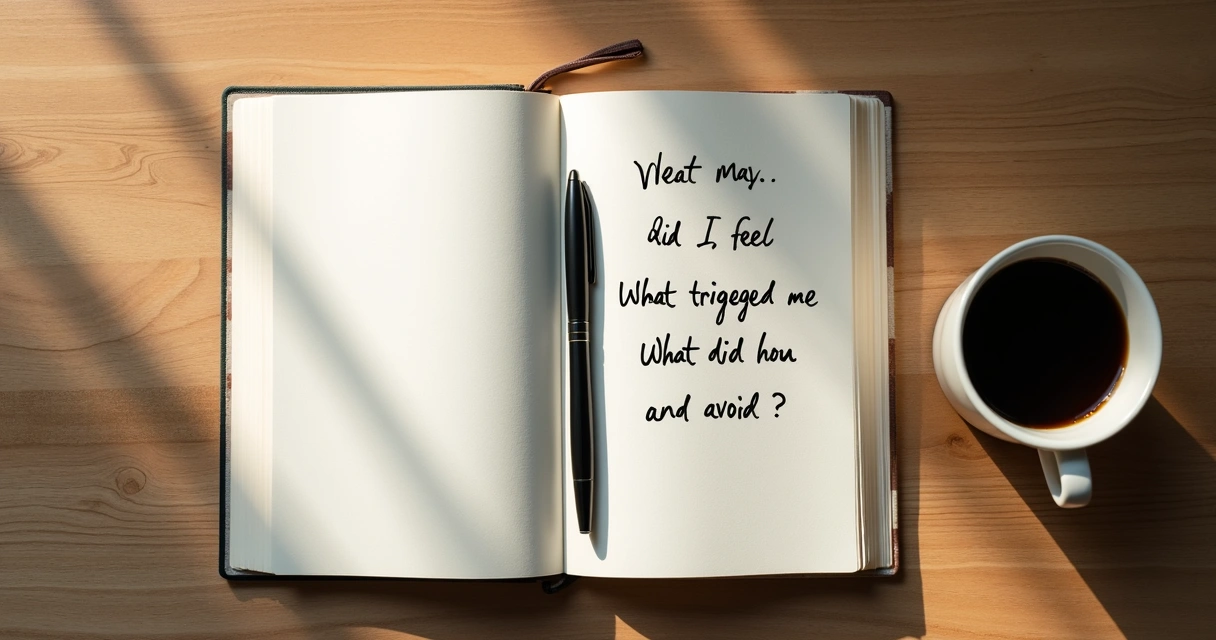
In our experience, self-knowledge grows through steady observation, not performance. We do not gain it by trying to look evolved. We gain it by telling the truth about what happens in us.
A simple practice can help:
Notice one repeated emotional reaction.
Ask what usually triggers it.
Look at the story you tell yourself in that moment.
Observe the effect of that pattern on other people.
Choose one different response next time.
Done with patience, this process builds self-knowledge. Then, as our actions become more coherent, self-esteem starts to grow in a healthier way. Not because we told ourselves nice things, but because we became more trustworthy to ourselves.
Conclusion
Self-esteem can comfort us. Self-knowledge can transform us.
If our goal is real impact, in relationships, work, and daily choices, self-knowledge must come first. It helps us see what we are creating with our presence, our reactions, and our decisions. It is less glamorous. Sometimes it hurts. But it changes the substance of how we live.
Then self-esteem finds its proper place. Not as a mask, and not as constant self-approval, but as a grounded respect for who we are becoming.
Clarity changes consequences.
Frequently asked questions
What is self-knowledge?
Self-knowledge is the ability to see our traits, emotions, habits, motives, and reactions with honesty and accuracy. It includes both stable aspects of personality and the changing states we experience in daily life.
What is self-esteem?
Self-esteem is the value and respect we feel toward ourselves. It shapes how worthy, capable, and acceptable we believe we are, especially in response to success, failure, and relationships.
How do self-knowledge and self-esteem differ?
Self-knowledge is about clear perception, while self-esteem is about self-worth. One helps us understand who we are and how we act. The other influences how positively or negatively we feel about ourselves.
Which is more important for success?
We believe self-knowledge has the stronger effect on lasting success because it improves decisions, relationships, learning, and responsibility. Self-esteem helps, but without self-knowledge it can become unstable or disconnected from reality.
How can I improve self-knowledge?
We can improve self-knowledge by reflecting on repeated reactions, asking what triggers them, writing honestly, listening to feedback without quick defense, and noticing how our behavior affects others. Small daily observation often teaches more than rare moments of insight.